


StarSnap: Sports Card Scanner
4.71.52K Reviews
App Specs
- Version
- 1.1.1
- Updated On
- License
- Free
- Downloads
- 100,000+
- Developer
- Next Vision Limited
- Categories
- Tools
- Platform
- Android
Screenshots
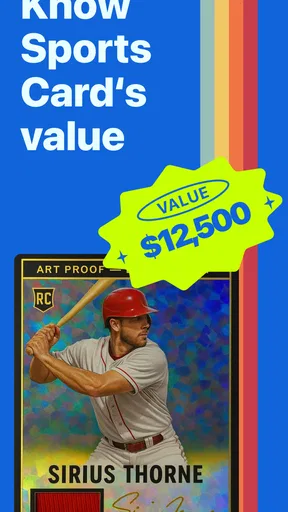
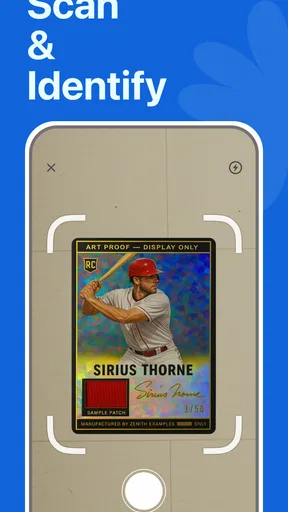
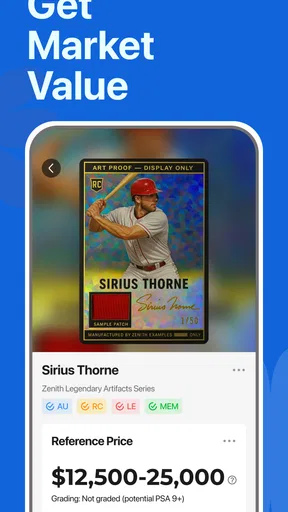
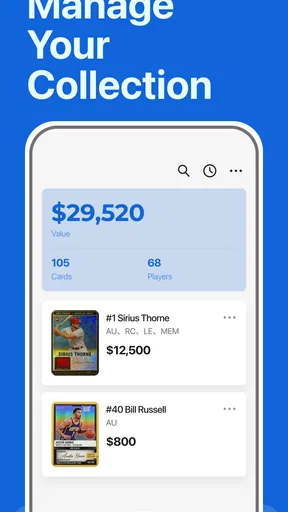
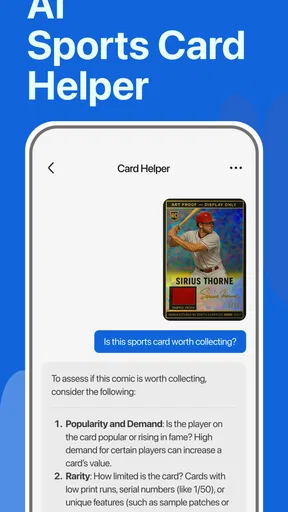
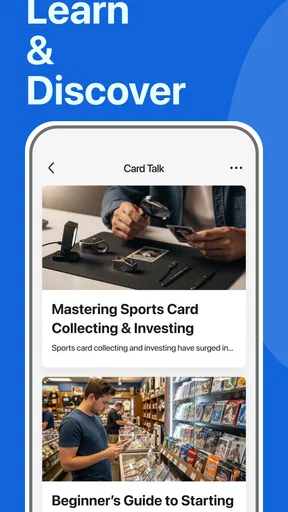

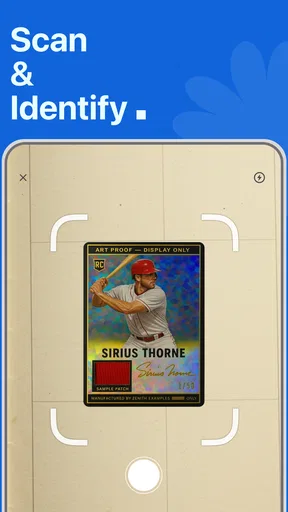
 Analysis by AppCompare
When I’m sorting a stack of sports cards, the slow part is rarely deciding which ones I like; it’s identifying each card and keeping track of what I own. That’s the practical problem StarSnap: Sports Card Scanner is meant to address. It’s a free tools app from Next Vision Limited, built around scanning cards, checking their market value and organizing a collection. I see the appeal most clearly for someone who has cards spread across boxes, binders and recent purchases, and wants a quicker way to make sense of them.
The app is currently at version 1.0.3, following its release on January 28, 2026. That gives it a very early product history, so I’d treat it as a promising new tool rather than a long-established collector’s reference. Its average rating is 4.7 from around 2,600 ratings, and it has over 10,000 installs. Those figures suggest that people are finding it useful, but they don’t tell me whether every card type or scan will work equally well. For valuable cards, I’d still verify a match and its price before making a buying or selling decision.
Getting Started with StarSnap
First things first, downloading StarSnap: Sports Card Scanner is a breeze. Available for both Android and iOS, you’ll have it up and running in no time. Once you fire it up, you’re greeted with a sleek and intuitive interface that feels like it was designed just for you. It’s like the app knows exactly what you need, without all that unnecessary fluff.
Setting up your account is quick, and before you know it, you’re ready to start scanning. The app uses your phone’s camera to capture the card’s image, and in just a few seconds, it identifies the card and provides detailed information about it. I was impressed by how accurate and fast it was—no more manual entries or endless Google searches. It’s all right there at your fingertips!
Features That Stand Out
One of the standout features of StarSnap is its database. It’s vast and constantly updated, ensuring that even the most obscure cards get recognized. The app doesn’t just stop at identifying cards; it provides you with the current market value and historical prices. This is a goldmine for traders and collectors who want to keep track of their investments.
Another cool feature is the ability to organize your collection digitally. The app allows you to create lists and categorize your cards into different collections. This is super handy if you’re someone like me who tends to forget which cards are where. With this app, your collection is always organized, and you can access it anytime, anywhere.
For those of you who enjoy a bit of community interaction, the app offers a platform to connect with other collectors. You can share your collections, trade cards, and even seek advice from seasoned collectors. It’s like being part of a global sports card club, and the camaraderie is something I really enjoy.
Worth Reading Before You Choose

EA SPORTS FC Mobile 26 Is a Bigger Football Game, but It Takes Time

Flipboard Shows What News Apps Must Do Beyond the Feed

Switching to Android Auto Means Rethinking Your Driving Routine

Google Calendar Makes a Crowded Week Easier to Manage

Ludo King Makes the Most of the Minutes Between Plans

Baby Panda World Brings Quick Play to Modern Phones, but Its Game Library Feels Busy
Making Scans More Useful in a Collection
The biggest practical benefit of a scanner is not a single impressive match; it’s avoiding the small bits of friction that pile up during a sorting session. I’d work through one manageable batch at a time, keeping cards in the same order as the physical stack and checking each result before moving on. If a card has a variation, a special finish or a detail that changes its identity, I wouldn’t assume the first suggested match is the right one just because the photograph looks close. A quick comparison of the printed details can prevent a mistaken entry from becoming part of the collection record.
I’d also use the collection tools as an inventory aid rather than treating them as a substitute for the cards themselves. For example, after sorting a box, I could separate a list for cards I want to research further from the cards I’m happy simply to catalog. That makes a later check easier and helps keep uncertain identifications from being mistaken for confirmed ones. A digital record is especially useful when a collection is stored in several places, but it only stays helpful if I make a habit of updating it when cards move, are traded or leave the collection.
For anyone wondering whether a scan gives a final answer about what a card is worth, I’d use the value as a research starting point, not a guaranteed sale figure. A displayed market estimate can help me decide which cards deserve closer attention, but condition, the exact version of a card and the price a buyer is willing to pay all matter. Before agreeing to a trade or setting an asking price, I’d confirm that the identified card matches mine and compare the estimate with recent offers for the same version. That extra step matters most for a card that could be unusually valuable.
Where a Scanner Fits Among the Alternatives
StarSnap sits between a handwritten inventory and a fully manual research routine. Writing card names in a notebook costs nothing and works without learning an app, but it can be slow when a collection is large and leaves you to look up each card separately. Searching the web or browsing a marketplace can provide useful context, especially when you need to inspect comparable listings, but you have to know what to search for and distinguish the exact card from similar versions. A camera-based identification tool can shorten that first step; it doesn’t remove the need for judgment when the match or price has real consequences.
That makes this a better fit for collectors who want a convenient overview than for someone who needs a formal appraisal or a carefully documented sales record. I’d also be cautious about choosing any scanner as the sole authority for rare or condition-sensitive cards. In those cases, a specialist’s assessment or a close comparison with reliable marketplace examples is more useful than a quick estimate. The app’s strength is bringing identification, valuation and organization into one workflow, not replacing every other source a collector might need.
Who Will Get the Most Out of It
I’d recommend trying it if you have enough cards that remembering what you own has become a chore, or if you’re just starting to build a collection and want to create an organized record from the beginning. It can also suit someone sorting an inherited box or preparing for a swap, because a scan can help turn an unknown pile into a list of items worth checking. A parent and child could use the process to identify cards together, while still treating the value as a conversation starter rather than a promise about what the cards will sell for.
On the other hand, if you own only a handful of cards and already know them well, scanning and maintaining a digital inventory may take more effort than it saves. It is also not the right answer if your main goal is a professional grade, a guaranteed sale price or a complete record of every transaction. I’d skip relying on it for those decisions and use a more specialized appraisal or sales process. The app is most useful when convenience and collection organization matter more than formal documentation.
For an everyday example, imagine finding a box while clearing a shelf and having only a short stretch of free time. I’d scan a small group, check the suggested identities, and set aside the cards whose versions or condition deserve more research. I wouldn’t try to price and catalog the entire box in one rushed sitting. Splitting the job into batches makes it easier to catch an incorrect match and leaves a clear next step for later, rather than turning a casual discovery into a long, frustrating project.
Current Costs, Compatibility and What to Watch
The app is free to download, though in-app purchases range from $7.99 to $39.99 per item. I’d start with the free experience and decide whether the scanning and organizing workflow fits my collection before paying for anything. Since those purchases vary, I’d check what an individual option includes and whether it solves a specific need for me rather than assuming a paid item is necessary. It’s rated for Everyone, and the listed minimum operating system is version 10, which is worth checking against your device before installing.
Because version 1.0.3 is still an early release, I’d pay attention to how well it handles the cards I actually collect, not just a quick first scan. Product evolution will matter most if later versions improve the consistency of identification, make collection maintenance smoother or clarify how valuation information should be interpreted. Those are sensible things to watch for, not promises about what the app will add. Existing users can get the most dependable results by checking scans carefully and keeping their digital records current as their physical collection changes.
Some readers will also want to know whether they can use a scan as proof of a card’s condition or authenticity. I wouldn’t treat identification and market information as either: a camera match can help identify a card, but an image-based workflow is not a substitute for an expert examination. Likewise, if you’re deciding whether to sell, the app can inform your research without guaranteeing that a buyer will offer the displayed figure. That distinction keeps the tool useful without asking it to do more than a collector’s research assistant should.
Using StarSnap in Real Life
Let me share a personal experience. I recently found an old shoebox filled with my childhood baseball cards. Instead of spending hours trying to figure out their value, I opened StarSnap. Within minutes, I knew exactly what I had, and even discovered a few valuable cards I had completely forgotten about.
The real-time pricing information was particularly useful because it helped me decide whether to hold onto certain cards or sell them. The app’s valuation tool is accurate, and I cross-referenced it with several online marketplaces to confirm. StarSnap didn’t let me down.
The Verdict
If you’re serious about your sports card collection, StarSnap: Sports Card Scanner is an app you simply must have. It’s not just about scanning cards; it’s about enhancing your entire collecting experience. Whether you’re a seasoned collector or just getting started, this app is a valuable companion.
In a world where everything is going digital, StarSnap is a refreshing blend of technology and nostalgia, bringing your cherished collections into the 21st century. So, why not give it a try? You might find a hidden treasure or two in your collection. Happy scanning!
Pros
- Fast and accurate card recognition.
- Supports a wide range of sports cards.
- User-friendly interface design.
- Offline scanning capability.
- Regular updates with new features.
Cons
- Limited free scans per month.
- Occasional issues with rare cards.
- Requires stable internet for updates.
- Ads in the free version.
- Limited support for non-sports cards.
FAQs for StarSnap: Sports Card Scanner
What is StarSnap: Sports Card Scanner and how does it work?
StarSnap: Sports Card Scanner is an app designed for sports card enthusiasts. It allows users to scan and digitally catalog their sports card collections using advanced image recognition technology. The app provides detailed information about each card, including player stats, card rarity, and market values, making it an essential tool for collectors.
Is StarSnap available for both Android and iOS devices?
Yes, StarSnap: Sports Card Scanner is available for download on both Android and iOS devices. Users can find the app on the Google Play Store for Android devices and the Apple App Store for iOS devices. Ensure your device meets the app’s system requirements for optimal performance.
Can StarSnap identify all types of sports cards?
StarSnap is designed to recognize a wide range of sports cards, including those from popular sports like baseball, basketball, football, and hockey. While it covers many well-known brands and series, some rare or unusual cards may not be identified. The app is continuously updated to expand its database.
Is there a cost associated with using StarSnap?
StarSnap offers both free and premium features. The basic version allows users to scan and organize their collections, while the premium version, available via subscription, provides additional features such as market value tracking, advanced search options, and ad-free usage. Pricing details are available within the app.
How secure is my data on StarSnap?
StarSnap prioritizes user data security. The app uses encryption to protect personal information and card data. Users can also back up their collections to the cloud, ensuring that their data is safe and retrievable even if they change devices. Always review the app’s privacy policy for more details.


